
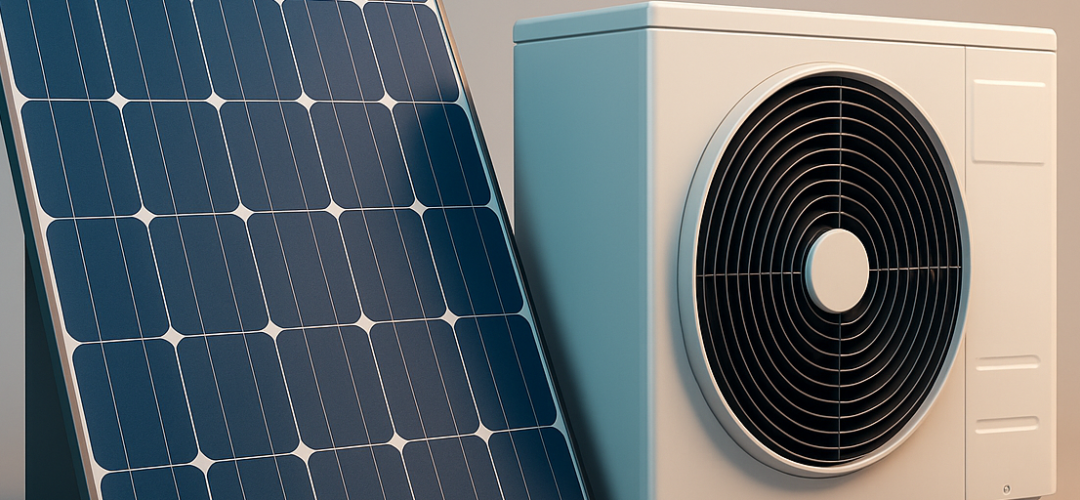
In the ever-evolving landscape of renewable energy, the marriage of solar energy systems and heat pumps promises not only an eco-friendly partnership but a leap towards achieving energy efficiency and sustainability. As we strive to make our homes and businesses greener, integrating these technologies emerges as a beacon of hope, paving the way for reduced carbon footprints and lower utility bills.
Welcome to the Solar Website guide where we unravel the mysteries behind integrating heat pumps with solar energy systems—to create a match made in heaven for those who dream of a more sustainable tomorrow. In this guide, we’ll explore how your EV charger, solar panel installation, and even your hot water cylinder can all play nicely together, maximising efficiency whilst keeping Mother Nature smiling.
The Basics of Heat Pumps and Solar Energy Systems
Before we dive into the integration, it’s essential to understand what we’re working with. Heat pumps, in essence, absorb natural heat from the air or ground and transfer it indoors to warm your home. They can also reverse the process during warmer months, keeping things cool and comfy. Meanwhile, solar energy systems harness the power of the sun to generate electricity. Together, they form an eco-dream team, maximising the use of renewable resources.
So, what makes this energy tandem so enticing? Well, solar panels generate power that can be directly used to run heat pumps. This means less reliance on the grid, translating to lower energy bills and a reduced carbon footprint. According to the International Energy Agency, global heat pump sales have witnessed double-digit growth over the past decade, driven by the increasing adoption of renewable energy sources.
How to Integrate Heat Pumps with Solar Energy Systems
Integrating heat pumps with solar energy systems might sound like a complex endeavour, but with the right approach, it can be surprisingly straightforward. Here are some steps to seamlessly marry these two technologies:
- Evaluate Your Energy Needs: Conduct an energy audit to understand your home’s or business’s energy consumption patterns. Tools like smart energy monitoring can provide real-time data to help you make informed decisions.
- Choose the Right Heat Pump: Selecting the right heat pump is crucial. Options include air source heat pumps and ground source heat pumps, each with its pros and cons. Consider factors like initial cost, installation space, and climate suitability.
- Optimise Solar Panel Installation: Ensure your solar panels are installed at the optimal angle and orientation to maximise sunlight exposure. For more on solar panel installation, you might find this guide useful.
- Integrate Battery Storage: A crucial component for bridging the gap between energy generation and consumption. Solar Website offers seamless battery storage solutions to ensure your heat pump has power, even when the sun’s not shining.
- Employ Smart Energy Management: Utilise smart energy systems to effectively manage and distribute energy between solar panels and heat pumps, optimising overall efficiency.
Benefits of Integration
Pairing heat pumps with solar energy systems offers a plethora of benefits:
- Energy Independence: By relying more on solar power, you reduce your dependence on the grid, leading to greater control over your energy supply.
- Cost Savings: With government incentives and lower energy bills, integrating these systems can be a financially savvy move in the long run.
- Reduced Carbon Footprint: The combination of solar and heat pumps significantly diminishes your home or business’s environmental impact, aligning with net zero goals.
- Increased Property Value: Homes equipped with renewable energy systems often boast increased market value due to their eco-friendly credentials.
Solar Website is committed to helping you unlock these benefits, with a range of services from residential solar solutions to commercial solar offerings.
Challenges and Considerations
While the integration of these technologies offers a wealth of benefits, it’s not without its challenges. Consider the following:
- Initial Costs: The upfront investment can be significant. However, many find financing options, such as those offered by Solar Website, to be a helpful way to mitigate this barrier.
- Space Requirements: Heat pumps and solar panels require space, which might be a limitation for some properties. Roof solar assessments can help optimise available space.
- Compatibility Issues: Ensure that your heat pump is compatible with solar energy systems. Professional consultation from experts at Solar Website can guide you through this process.
Addressing these challenges requires careful planning and expert guidance. Partnering with reputable providers like Solar Website ensures a smooth transition from conventional to renewable energy systems.
Making the Switch: A Future-Forward Step
Integrating heat pumps with solar energy systems is more than just a trend—it’s a forward-looking step towards sustainable living. It’s an investment in the future, not just for yourself, but for the environment. And it’s an investment that pays dividends, whether through lower energy bills, increased property value, or the satisfaction of reducing your carbon footprint.
At Solar Website, we pride ourselves on being more than just solar panel installers. We’re your partners in creating a sustainable future. Whether you’re a homeowner looking to upgrade your current system, or a business aiming to go green, we offer comprehensive solutions tailored to your unique needs. From London to Birmingham, our certified installers are ready to provide expertise and guidance every step of the way.
So why wait? Embrace the renewable energy revolution today with Solar Website and discover how integrating heat pumps with solar energy systems can transform your energy use—as well as your impact on the world around you. It’s the green, clean, and smart choice for a brighter future.
Get in Touch
Get Your Solar Savings Estimate and Get a Free Solar Quote
Call us: 0330 223 7664
Visit: Solar Quotes